Deco Experiment: Elevate Your Design with Vintage Flair
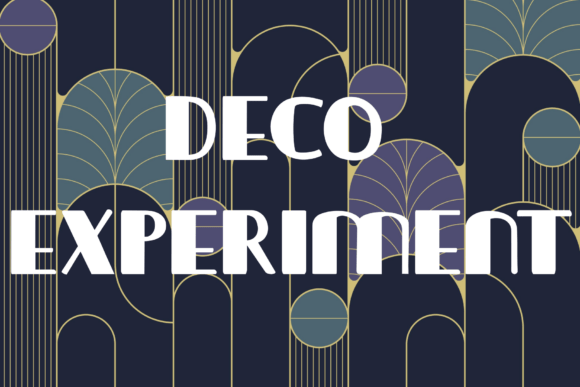
In the ever-evolving landscape of graphic design, the right typeface can instantly transport an audience, setting the tone for an entire visual experience. For designers seeking a powerful blend of historical elegance and contemporary edge, Deco Experiment emerges as a compelling solution. This bold and stylish display font, inspired by the Art Deco movement, injects a dose of timeless glamour into modern projects. Its geometric shapes, dramatic curves, and high-contrast strokes are meticulously crafted to make a definitive statement.
Understanding the Anatomy of Deco Experiment
What sets this typeface apart is its deliberate fusion of eras. It honors the symmetry, luxury, and optimism of 1920s design while incorporating a contemporary twist that ensures relevance today. This isn't a mere revival; it's a reimagining. The font's visual hierarchy is built on strong, clean lines and bold forms, making it exceptionally effective for creating focal points in any layout. Its character is both assertive and sophisticated, allowing it to command attention without overwhelming a composition when used thoughtfully.
The practical value of a font like Deco Experiment lies in its ability to streamline the creative process. When building a brand identity, the choice of typography is foundational. A display font with such distinct personality can quickly establish a mood of luxury, innovation, or retro-futurism. For a logo design, its geometric precision offers clarity at various scales, while its unique curves add a memorable flair that aids in brand recall. It becomes a core creative asset that informs and inspires the broader design system, from color palette selection to layout composition.
Practical Applications Across Creative Projects
The versatility of a well-designed display font allows it to enhance numerous facets of a design workflow. Deco Experiment's blend of vintage charm and modern aesthetics makes it suitable for a wide array of applications:
- Branding & Logo Design: Ideal for creating luxurious, high-end brand marks for fashion, beauty, hospitality, and lifestyle industries.
- Marketing & Advertising: Perfect for headlines on posters, banners, and digital ads where grabbing attention is paramount. Its impact translates well to both print and screen.
- Editorial & Packaging Design: Adds a dramatic touch to magazine covers, book jackets, product packaging, and labels, instantly communicating a premium quality.
- Digital Presence: Can be used strategically for website hero sections, landing page headlines, and social media graphics to create scroll-stopping content and strengthen visual communication.
- Presentation & Merchandise: Elevates slide decks, event invitations, and merchandise like apparel and posters, ensuring a professional and cohesive presentation.
Integrating a Display Font Effectively
While a bold font offers great creative potential, its effective use requires careful consideration. The primary goal is to enhance, not hinder, communication. Always prioritize readability, especially in digital contexts like UI design or UX design. Deco Experiment is best suited for headings, subheadings, and pull quotes rather than lengthy body copy. Pair it with a clean, neutral sans-serif or serif font for body text to maintain visual hierarchy and ensure content is accessible.
Consider your audience and project goals. A retro-themed café menu might embrace the font's full vintage glory, while a tech startup could use it sparingly for a touch of futuristic elegance. Evaluate its scalability—test how it looks at various sizes, from a tiny favicon to a large billboard. Ensure it harmonizes with your overall color palette and imagery. The most successful designs use typography as one element in a cohesive system, where every component works in concert to tell a unified story.
Ultimately, investing in high-quality, character-rich creative assets like Deco Experiment is an investment in the clarity and impact of your visual message. Thoughtful typography is a cornerstone of professional design, capable of transforming a simple layout into an engaging narrative. By choosing fonts that align with your brand's voice and your project's objectives, you elevate the entire user experience, fostering a stronger connection between your work and your audience.